
Financial highlights
Last trade 46.81€
Variation +2.21%
09/10/2026 - 05:37 PM
data source: Investis Digital
Financial highlights
Last trade 46.81€
Variation +2.21%
09/10/2026 - 05:37 PM
data source: Investis Digital
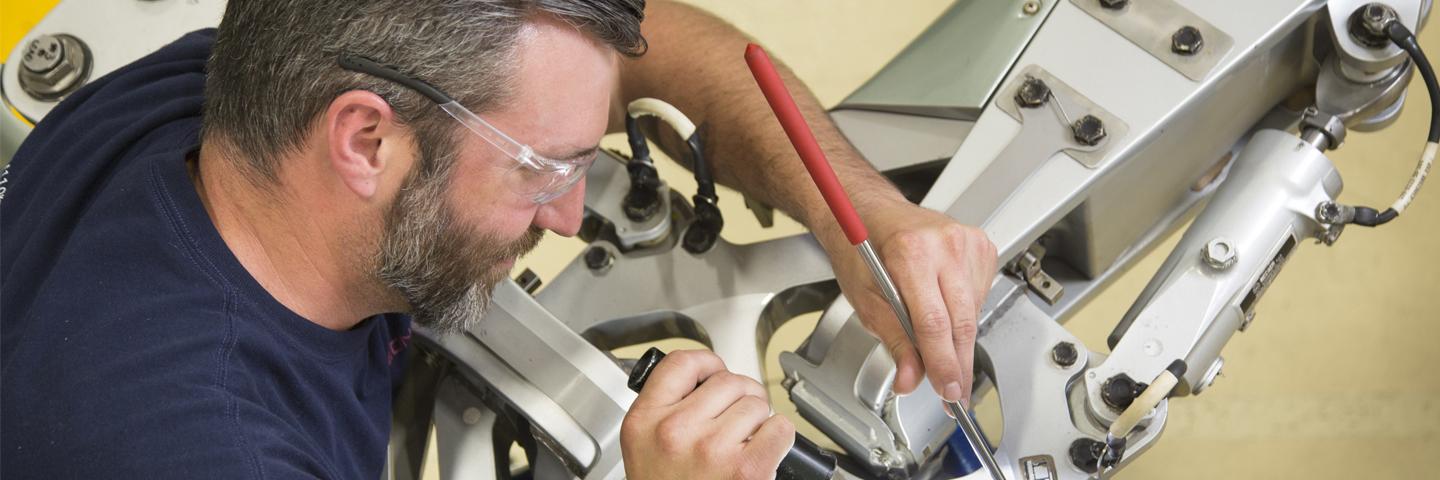
Leonardo’s Safety Management approach is reflected in every structure of its internal organisation and throughout the entire business network.
Leonardo is a unique and structured entity, encompassing the full helicopter lifecycle: design and related certification (including supplier management), manufacturing, sales, maintenance and continued airworthiness, training for all personnel, and support for accident/incident investigation agencies.
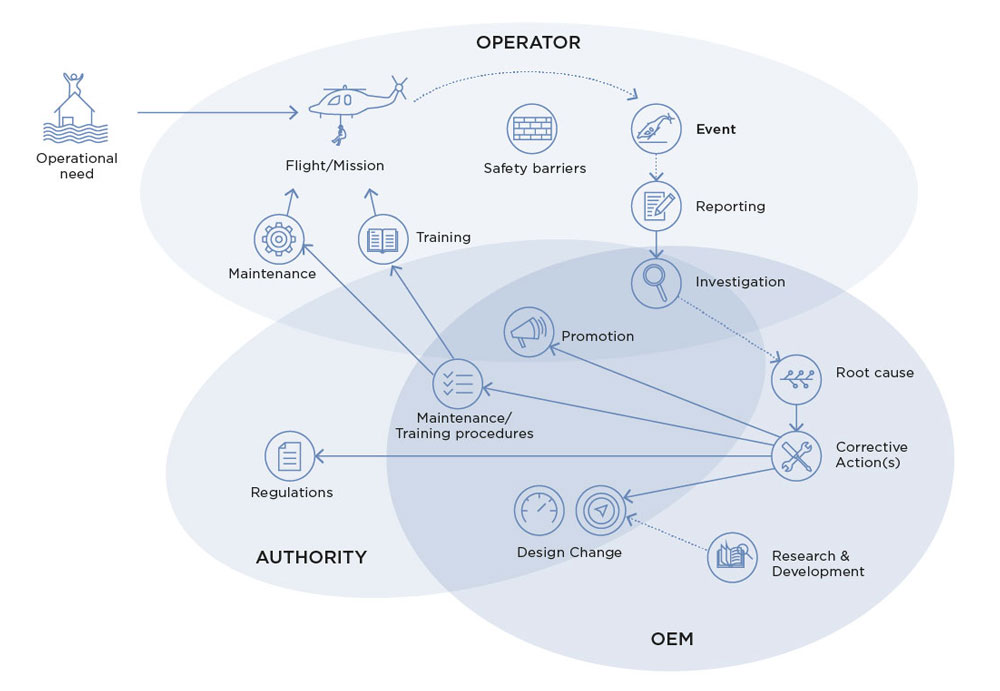
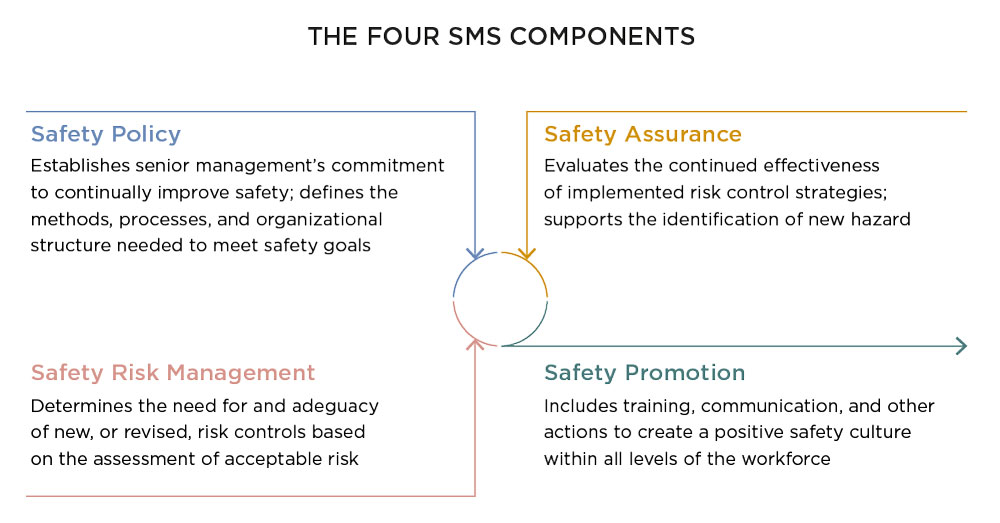
The Safety Management System (SMS) has been designed to reinforce Leonardo’s capabilities to identify, prevent and predict – proactively and from the bottom up – safety risks by addressing strong signals as well as weak signals – the first being after the event, the latter being early signs – before they can lead to accidents/incidents.
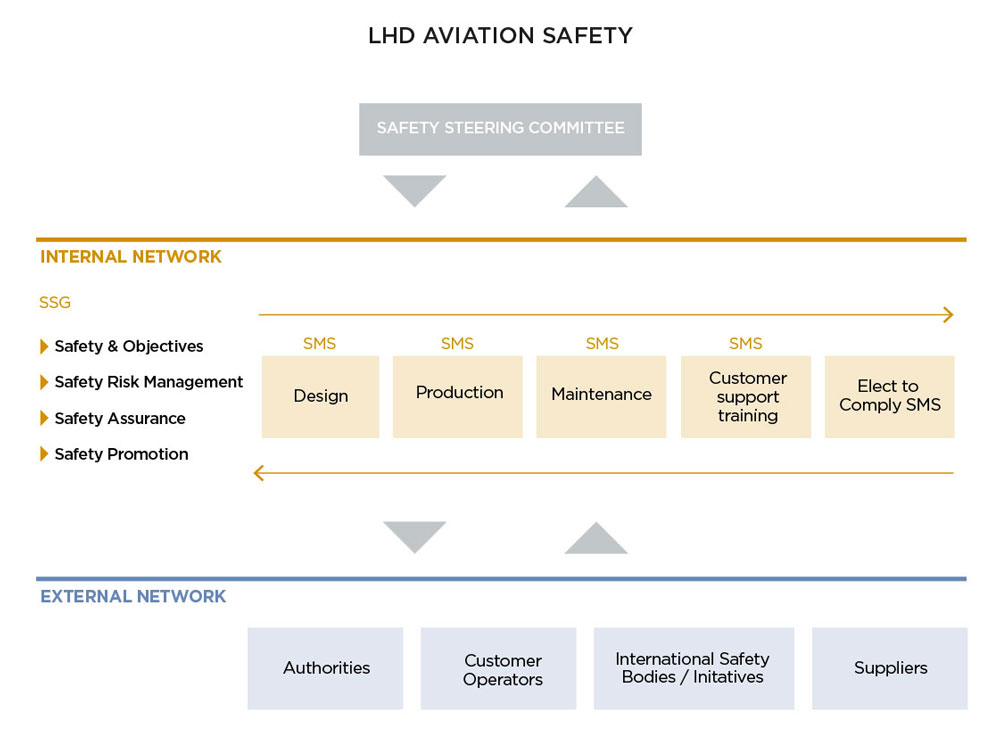
Leonardo’s safety governance is guaranteed through the System Safety Governance (SSG) and by the Safety Management Systems (SMS) embedded in every branch of its organisation. These include those for Design, Production, Maintenance, and Customer Support and Training, as well as for other specific SMS designed as appropriate. These have a unified governance within Leonardo’s single safety identity, whilst maintaining close proximity to their design and operational context.
Interface with the external stakeholders, including the relevant authorities, customers and suppliers, is part of Leonardo’s global safety management approach. The SSG addresses all interfaces in a single view, reporting and managing any weak safety signal as soon as it emerges.
Thanks to specific gearbox design, Leonardo’s helicopters can provide safe flight far beyond the minimum civil certification requirement of 30 minutes following a lubrication failure. Designed to withstand loads beyond operating limits and capable of maintaining an optimised oil distribution even during system failure, main rotor transmission is to run dry as follows: over 40 minutes safe run dry for AW169, 60 minutes for AW139 and 50 minutes for AW189.
Powerplant
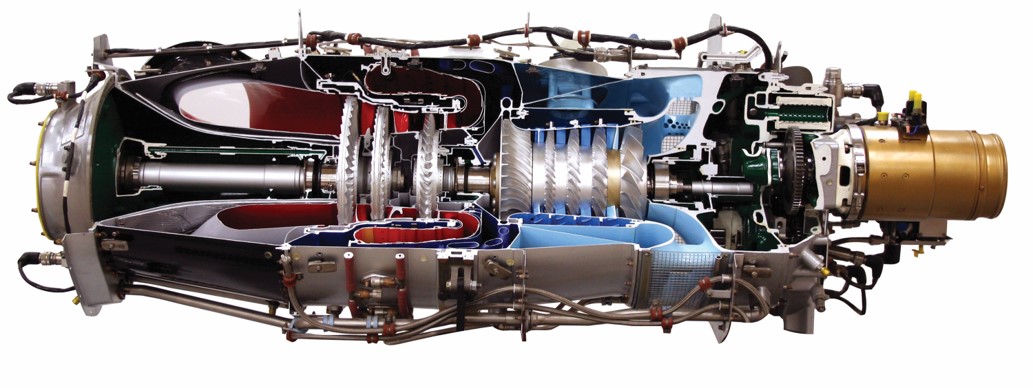
Pratt & Whitney’s PW210A and PT6C-67C engines, powering AW169 and AW139 respectively, are designed to include an inherent helicopter protection safety barrier in the unlikely event of rotor fragment release, by containing intermediate fragments from the mixed flow rotor and turbine stages, as well as small fragments from all compressor and turbine stages. This is a robust and reliable complementary safety feature to the whole helicopter risk minimisation system provided by Pratt & Whitney.
Flight handling and automatic flight control systems
Good controllability combined with stability are key factors in ensuring safe operations, and are the result of one of Leonardo’s design pillars: superior performance, a balanced mix of automation and flight procedures, smooth handling and robust safe design beyond minimum certifications requirements.
There are several specific modes and envelope protection features of our Automatic Flight Control Systems (AFCS), which provide crews with a reliable and automated safety net.
Among others, the Wing Level function available on most of Leonardo’s designs is a good example, providing the pilot with an automated solution to help regain situational awareness in the event that spatial disorientation has resulted in undesired and unintended aircraft attitudes.
Avionics and navigation support
Leonardo invests in continuous technological improvement of on-board systems to offer new solutions for pilot workload reduction, further expansion of crew situational awareness, and state-of-the-art Instrument Flight Rules (IFR) all-weather operation flight solutions.
IFR navigation capability can greatly enhance the safety of helicopters' flight operations. Leonardo’s product range of civil helicopters have today fully certified Performance-Based Navigation (PBN) capabilities from B-RNAV (RNP5) to RNP0.3, all phases of flight, and RNP AR APCH up to RNP0.3 minima, and are ready to take safety advantage of PBN-certified routes and flight procedures. The PBN solutions, together with the GLS (GBAS landing system) capabilities already certified on the AW189, provide safe and precise flying paths from take-off to landing, with the potential to overcome weather dependencies. PBN capabilities are also available on the latest military products, ensuring new and greater operational flexibility.
A Synthetic Vision System (SVS) is another very powerful instrument which improves situational awareness and safety beyond standards. SVS is available on all Leonardo’s latest products, and on AW139 it has been integrated with Helicopter Terrain Awareness and Warning System (HTAWS), as provided by Honeywell Primus Epic System Phase 8. This constitutes a further improvement to pilots’ situational awareness, especially in marginal Visual Flight Rules (VFR) and night operations where the pilot benefits from automatic terrain and obstacle detection.
Leonardo, as helicopter manufacturer, possesses in-depth knowledge of the helicopter’s design, performance characteristics, systems and components. As such, during the investigation, the Company provides essential information regarding:
Maintenance history and service bulletins: Leonardo provides historical data on the helicopter's maintenance requirements, any issued service bulletins or safety directives, and any prior technical issues that could be relevant to the investigation.

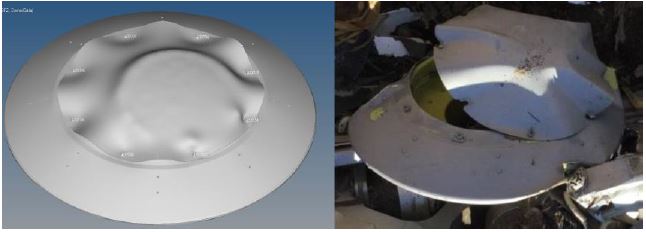
In cases where the helicopter is severely damaged, the Leonardo Investigator’s expertise becomes essential in performing the wreckage survey (after the event a dedicated Go-Team is dispatched to support the onsite activities), in identifying and interpreting specific failure modes.
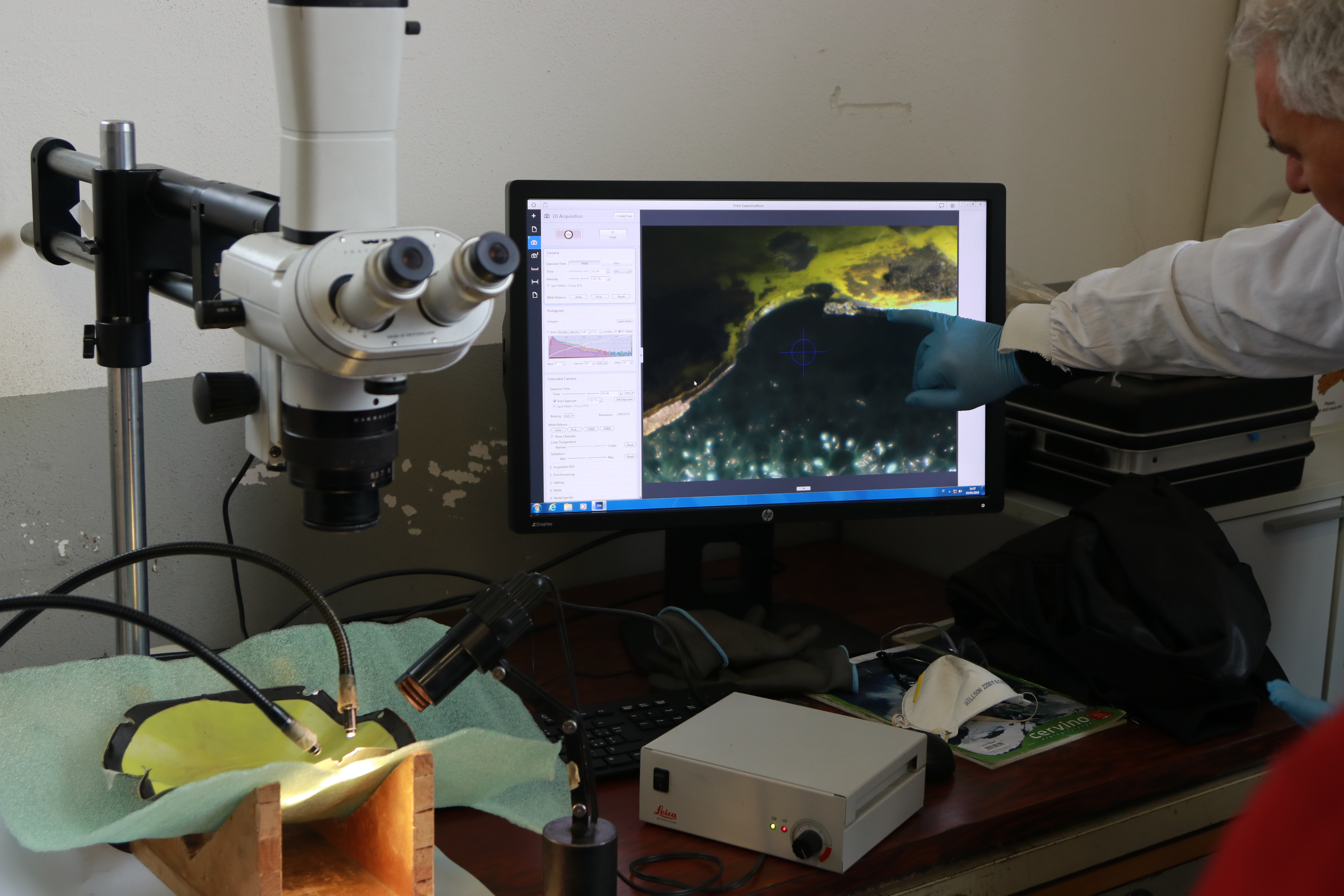
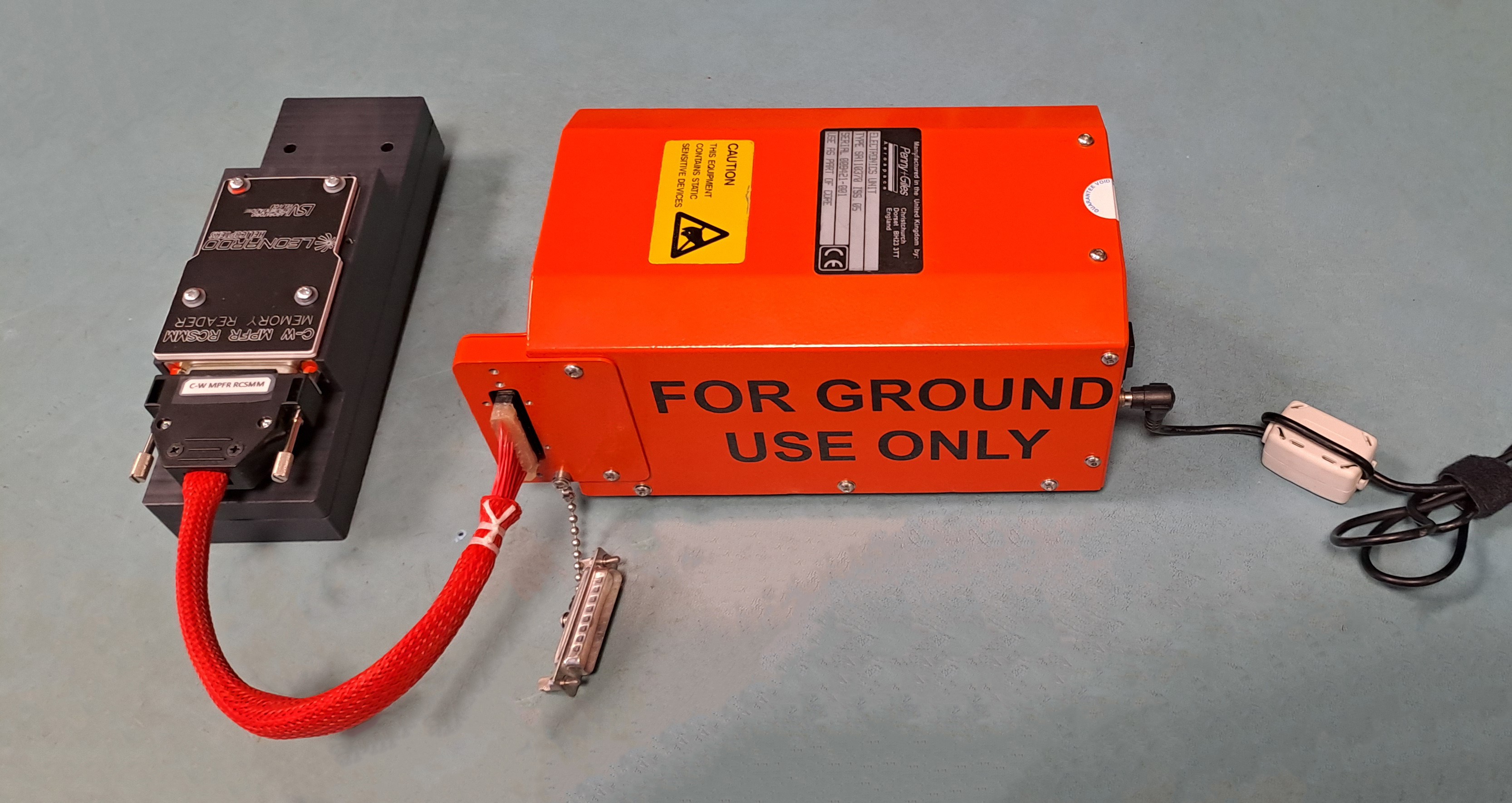
For helicopters equipped with flight recorders, Leonardo’s Flight Data Recorder (FDR) / Flight Data Monitoring (FDM) Department can support the analysis by interpreting the data from the Flight Data Recorder (FDR) and Cockpit Voice Recorder (CVR). The involvement of the Company's specialists includes:

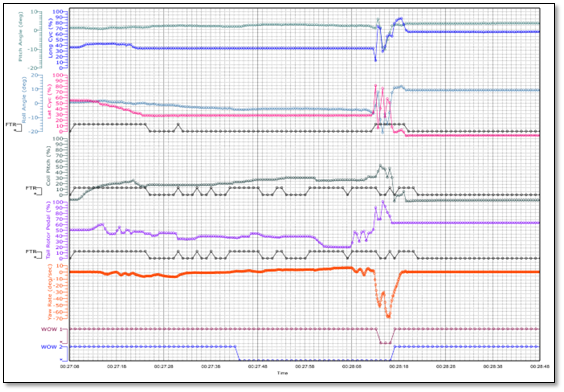
Based on the technical data, operational limitations and physical evidence, the Company’s accident investigators play an integral role in helping the Investigator in Charge and the investigation team to reconstruct the accident sequence. This process may involve:
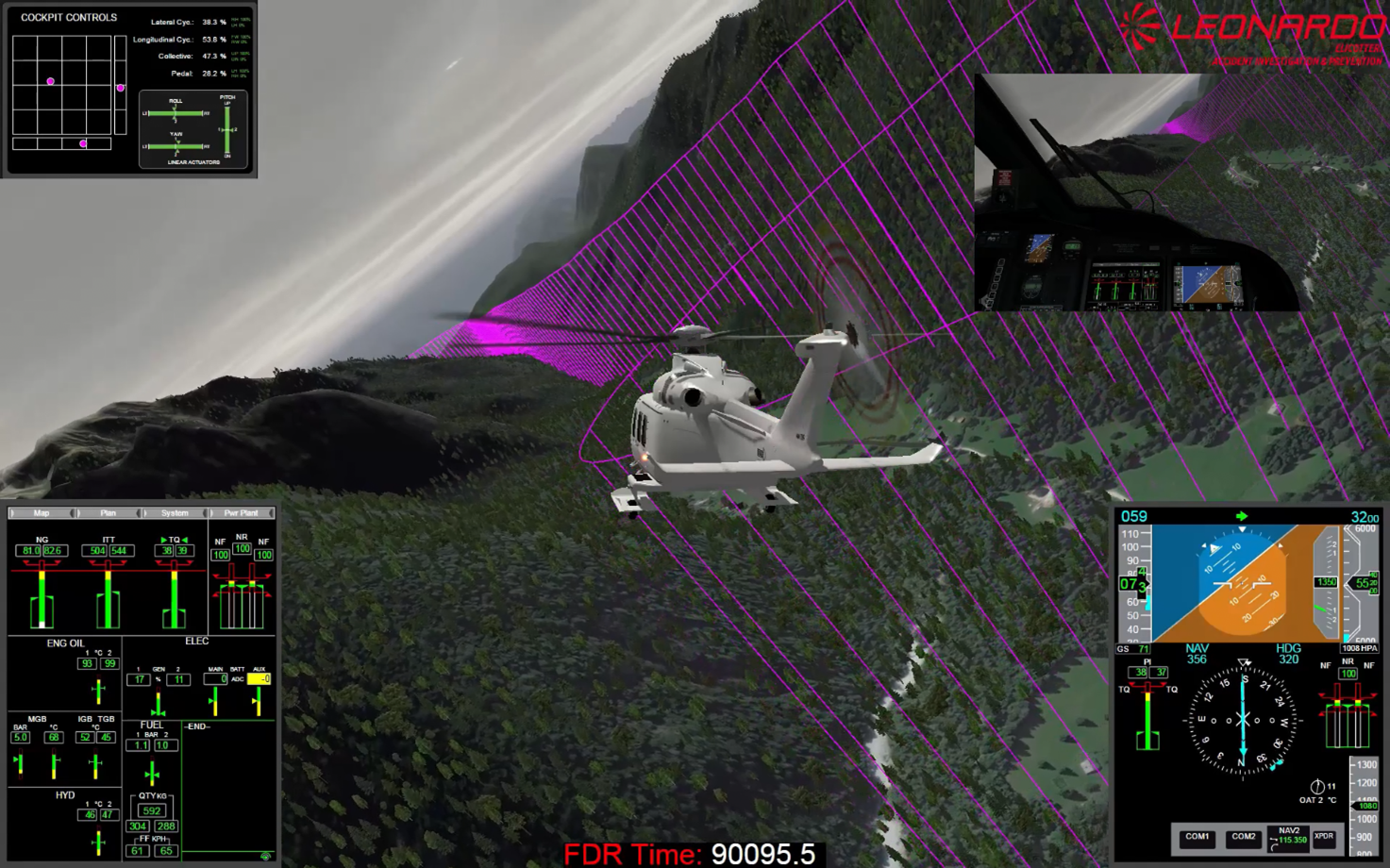
If the investigation uncovers any design flaws, production and operational weaknesses, or maintenance concerns, Leonardo can issue new service bulletins to its operators and evaluates the need to prescribe containment actions, which in the first instance may be Service Bulletins with the aim of prescribing specific inspections and/or improvements to the operating manuals, to prevent similar accidents. In cases where a design issue is identified, the Company revises the design process for helicopters in the production process and provide retrofit solutions for in-service fleets.
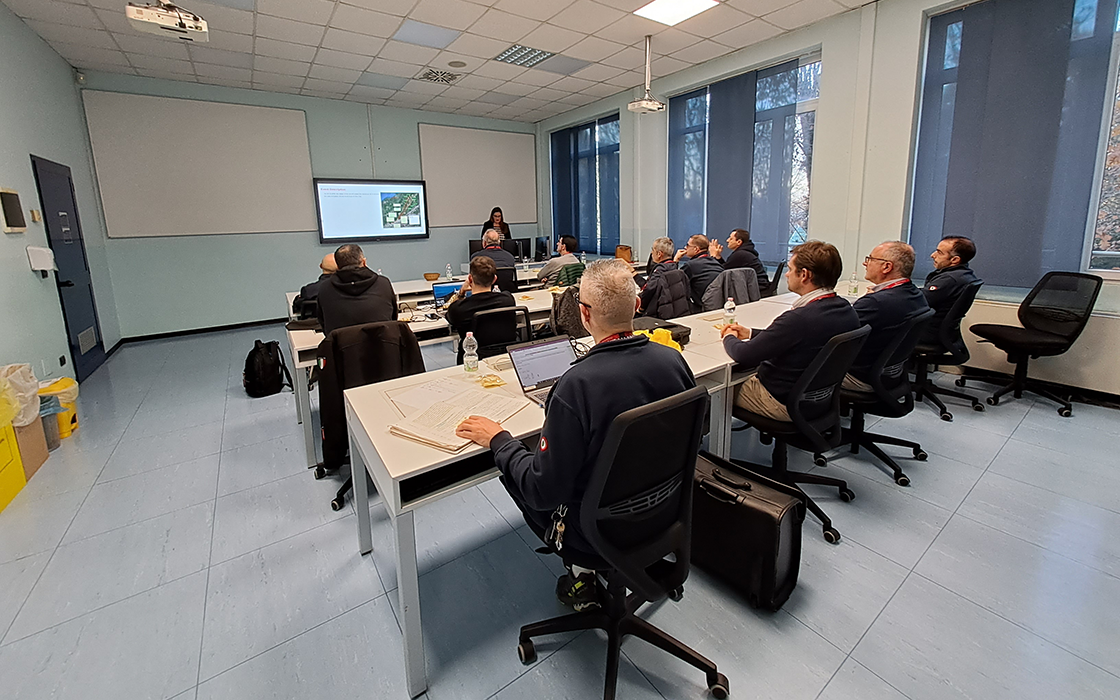
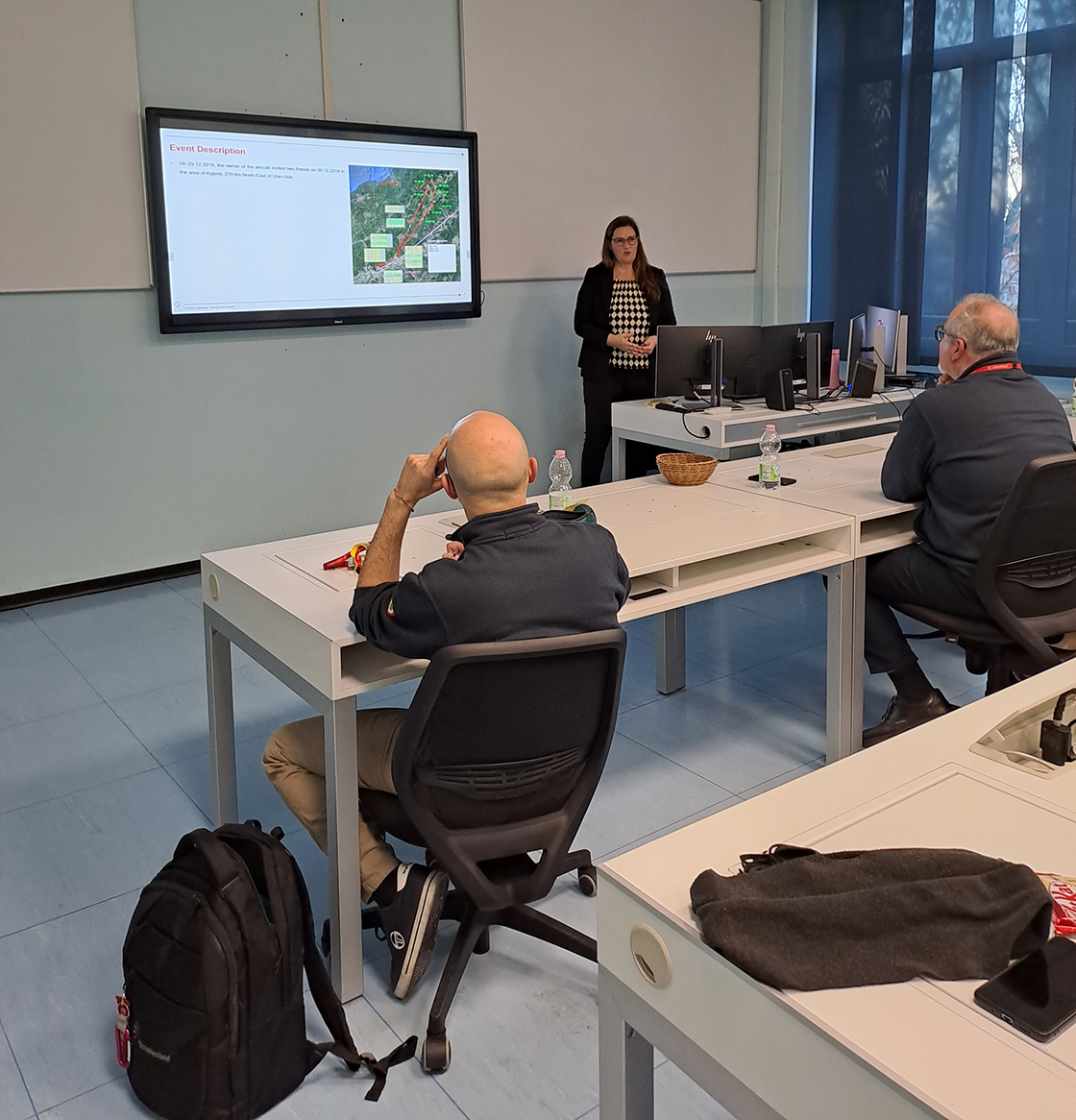
The Accident Investigation & Prevention Office provides updates on specific events to Leonardo Helicopters Training Academy (LHTA) pilots. These updates on the most significant operational events are provided twice a year during the LHTA Instructor Professional Update Day. The main goal of this activity is not only to offer feedback on noteworthy events and their causes but also to gather lessons learned from the investigation process, which can lead to improvements in training procedures. The established collaboration has enabled the Academy to better address specific topics, providing valuable insights to customers on the safety of flight operations.
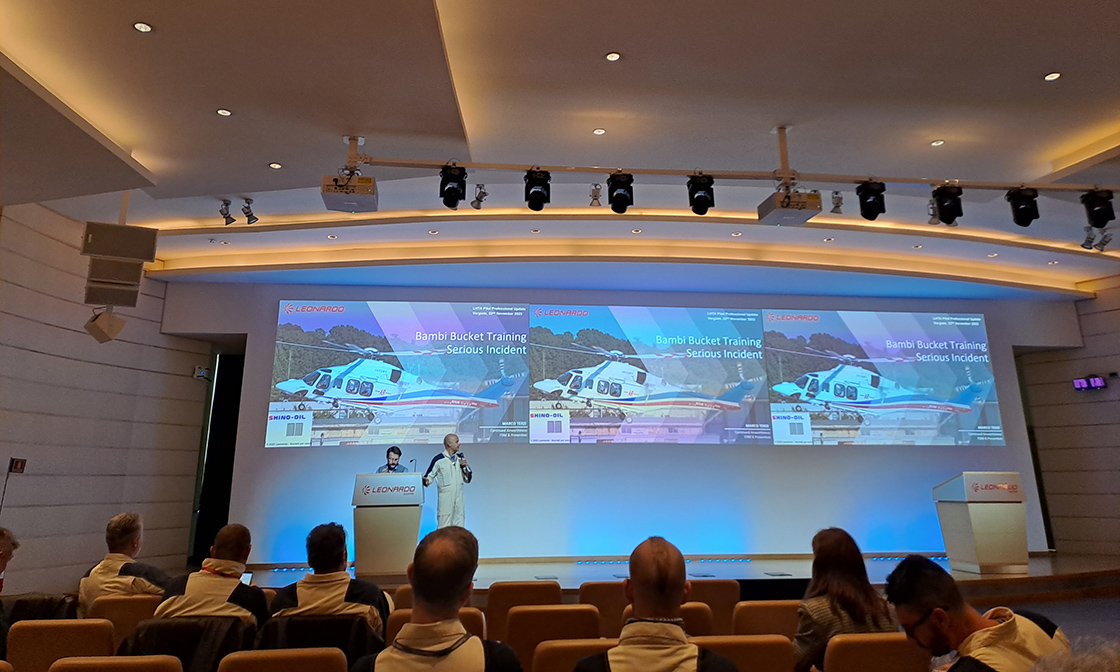
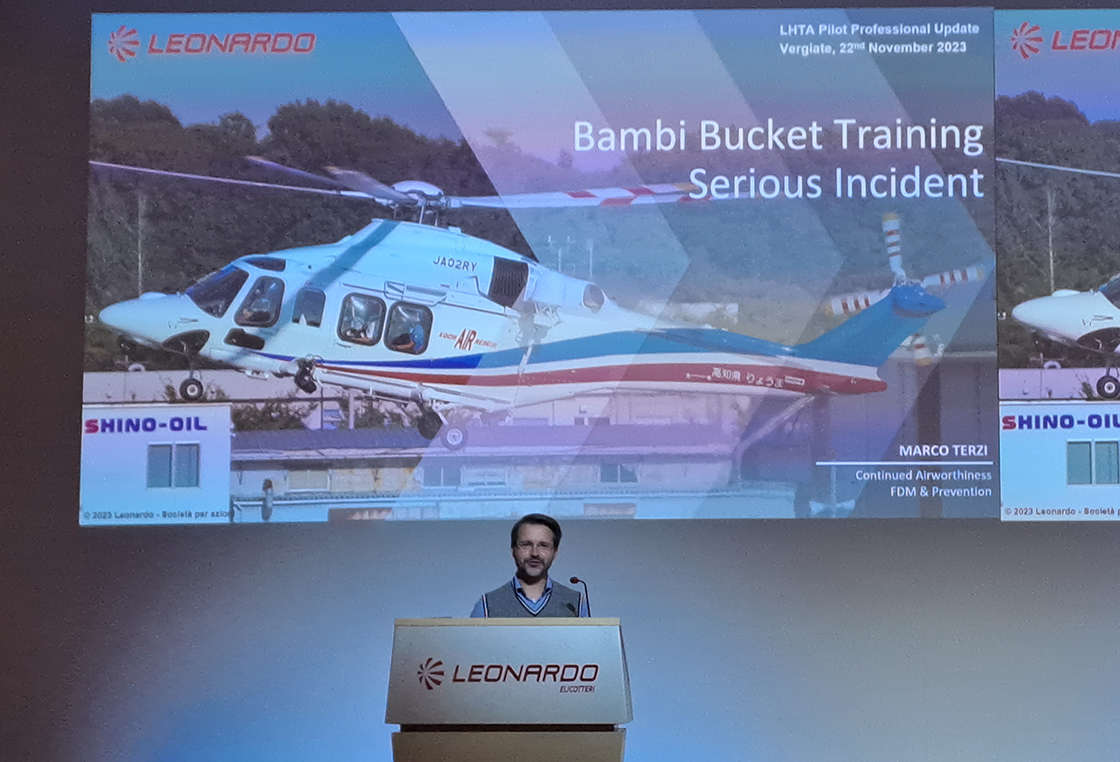
Since 2018, a collaboration has been established between the Accident Investigation Office and the Ground Training Management of Italian Leonardo Helicopters Training Academy. The project consolidates the Ground Instructors view on those accident occurred to Leonardo fleets related to incorrect or wrong maintenance and also provides them all the information to correct address the accident details and outcome to the customers during their training. The availability of real example related to maintenance tasks that if performed incorrectly have conducted to accident or serious incident, improves the effectiveness of the ground training courses provided by the Academy.
In 2024, the collaboration has been expanded involving also production personnel, with dedicated sessions.
Leonardo, as helicopter manufacturer, possesses in-depth knowledge of the helicopter’s design, performance characteristics, systems and components. As such, during the investigation, the Company provides essential information regarding:
Maintenance history and service bulletins: Leonardo provides historical data on the helicopter's maintenance requirements, any issued service bulletins or safety directives, and any prior technical issues that could be relevant to the investigation.
In cases where the helicopter is severely damaged, the Leonardo Investigator’s expertise becomes essential in performing the wreckage survey (after the event a dedicated Go-Team is dispatched to support the onsite activities), in identifying and interpreting specific failure modes.
For helicopters equipped with flight recorders, Leonardo’s Flight Data Recorder (FDR) / Flight Data Monitoring (FDM) Department can support the analysis by interpreting the data from the Flight Data Recorder (FDR) and Cockpit Voice Recorder (CVR). The involvement of the Company's specialists includes:
Based on the technical data, operational limitations and physical evidence, the Company’s accident investigators play an integral role in helping the Investigator in Charge and the investigation team to reconstruct the accident sequence. This process may involve:
If the investigation uncovers any design flaws, production and operational weaknesses, or maintenance concerns, Leonardo can issue new service bulletins to its operators and evaluates the need to prescribe containment actions, which in the first instance may be Service Bulletins with the aim of prescribing specific inspections and/or improvements to the operating manuals, to prevent similar accidents. In cases where a design issue is identified, the Company revises the design process for helicopters in the production process and provide retrofit solutions for in-service fleets.
The Accident Investigation & Prevention Office provides updates on specific events to Leonardo Helicopters Training Academy (LHTA) pilots. These updates on the most significant operational events are provided twice a year during the LHTA Instructor Professional Update Day. The main goal of this activity is not only to offer feedback on noteworthy events and their causes but also to gather lessons learned from the investigation process, which can lead to improvements in training procedures. The established collaboration has enabled the Academy to better address specific topics, providing valuable insights to customers on the safety of flight operations.
Since 2018, a collaboration has been established between the Accident Investigation Office and the Ground Training Management of Italian Leonardo Helicopters Training Academy. The project consolidates the Ground Instructors view on those accident occurred to Leonardo fleets related to incorrect or wrong maintenance and also provides them all the information to correct address the accident details and outcome to the customers during their training. The availability of real example related to maintenance tasks that if performed incorrectly have conducted to accident or serious incident, improves the effectiveness of the ground training courses provided by the Academy.
In 2024, the collaboration has been expanded involving also production personnel, with dedicated sessions.
VAST
Leonardo Helicopters is a member of VAST, the Vertical Aviation Safety Team. The VAST Safety Promotion Team provides a useful and extensive Safety Toolbox, containing the most important publications on all aspects related to Helicopters Flight safety and Safety Management Systems. A video section is available to explore some of the issues related to safety.
European Safety Promotion Network Rotorcraft (ESPN-R)
The European Safety Promotion Network Rotorcraft (ESPN-R) is a joint industry-authority team, established by the Rotorcraft Sectorial Committee (RSC) in January 2017. The ESPN-R develops, disseminates and evaluates Safety Promotion (SP) materials and actions on a voluntary basis to support the rotorcraft community, EASA and industry. ESPN-R results are published in the Rotorcraft | EASA Community and before 2020 on the EASA Safety Promotion website in the helicopter section.
SKYbrary
SKYbrary is an electronic repository of safety knowledge related to flight operations, air traffic management (ATM) and aviation safety in general, enabling users to access the safety data made available on the websites of various aviation organisations - regulators, service providers, industry.
EHEST
The former European Helicopter Safety Team (EHEST), now the European Safety Promotion Network Rotorcraft (ESPN-R), developed between 2010 and 2016 a series of manuals, guidelines, toolkits, checklists and videos on Safety Management System (SMS). Links to this safety material can be found here.
HELICOPTER TECHNOLOGIES
The Potential of Technologies to Mitigate Helicopter Accident Factors – An EHEST Study NLR-TP-2014-311
The Potential of Technologies to Mitigate Helicopter Accident Factors - Status update and way forward NLR-TP-2018-470

 Media Hub



 Civil/Parapublic

